When a Minor Issue Becomes a Major Dental Emergency in Aurora

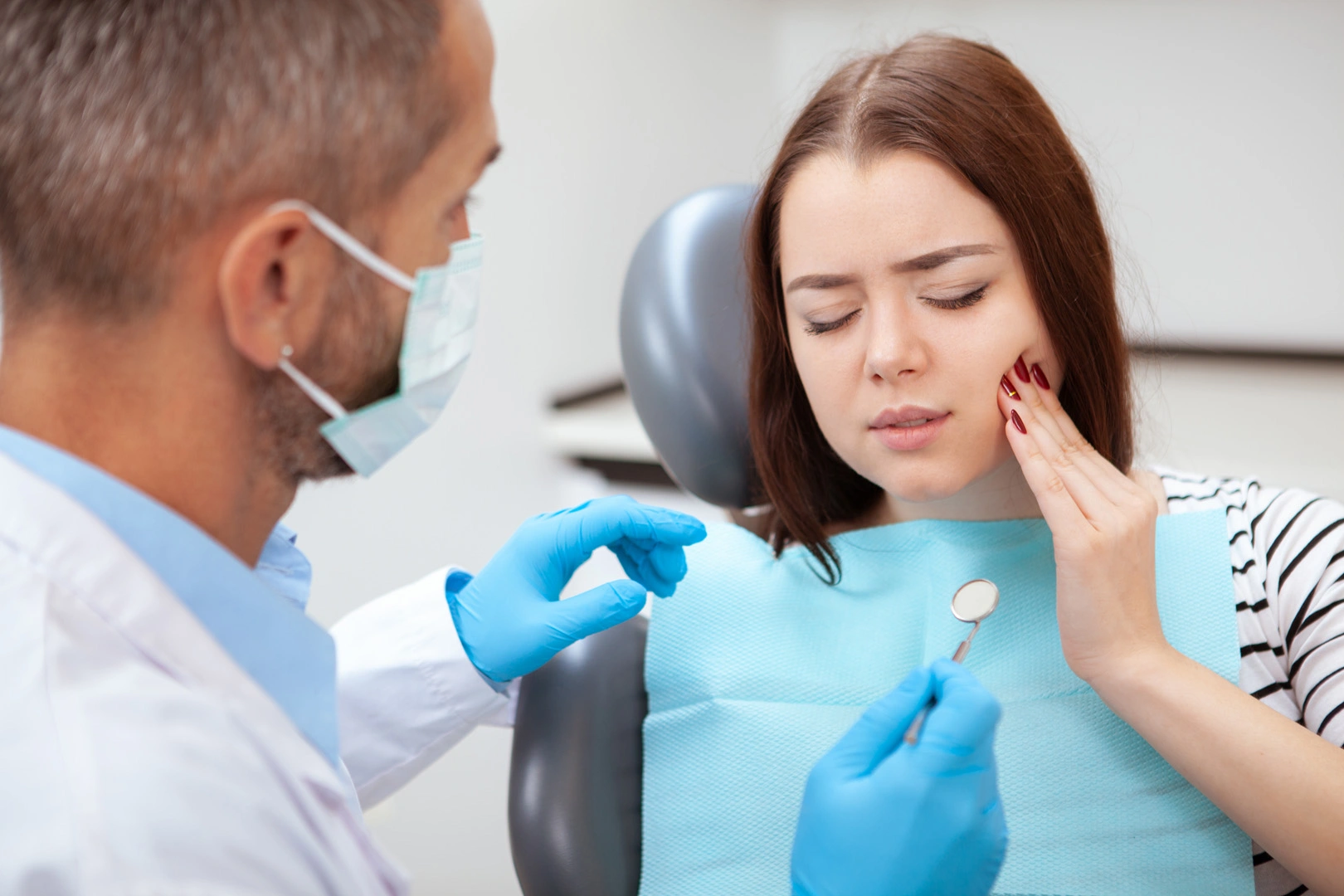
Most dental emergencies do not begin with drama. They begin with something small enough to ignore.
A little sensitivity when drinking coffee. A filling that feels rough on one side. A gumline that bleeds when floss catches it. A tooth that aches only at night, then settles down by morning. In a busy week, those problems rarely feel urgent. People work through them, wait for the weekend, or tell themselves they will call if it gets worse.
That delay is often the turning point.
In practice, the line between a routine dental issue and a true emergency is thinner than many people realize. Teeth do not have much room for error. A crack can deepen quickly. A small cavity can reach the nerve. Mild gum inflammation can become a painful swelling. Trauma that looks manageable in the bathroom mirror can hide damage below the gumline or inside the bone. By the time someone starts searching for a Dental Emergency Aurora provider, the problem has usually been building for days, weeks, or even months.
The reason this matters is simple. Early treatment is usually easier, less invasive, and less expensive. Once infection, fracture, or uncontrolled bleeding enters the picture, treatment becomes more complex. In some cases, what could have been handled with a filling becomes a root canal, crown, extraction, or urgent management of a spreading infection.
The quiet ways emergencies begin
People tend to picture dental emergencies as dramatic events, like a knocked out tooth on a hockey rink or a broken front tooth after a fall. Those cases certainly happen, and they need immediate care. But many urgent visits come from ordinary, neglected problems.
A loose crown is a good example. On day one, it may feel like an inconvenience. The crown still sits in place most of the time, and chewing on the other side seems like a reasonable temporary fix. A few days later, food packs underneath it. The underlying tooth, already weakened from earlier decay or fracture, becomes exposed. Then the crown comes off completely during dinner, and the tooth underneath breaks because it was carrying more stress than it could handle.
The same pattern shows up with gum infections. A patient may notice a tender area that feels irritated when brushing. Then it starts to swell. Then pressure builds. Then the person wakes up with facial puffiness and a throbbing ache that radiates toward the ear. At that point, pain control becomes difficult, sleep gets disrupted, and eating turns into a challenge.
A cracked tooth can be even trickier. Not every crack is visible. Some do not hurt constantly. Many only announce themselves when biting down on something firm or when releasing pressure after a chew. Patients often describe a sharp, fleeting pain that comes and goes. Because it is intermittent, they postpone the visit. If the crack extends deeper, the tooth can split further, involve the nerve, or become structurally unrestorable.
The central mistake is assuming that dental pain is the only measure of seriousness. It is not. Some significant infections begin with pressure more than pain. Some fractured teeth are barely sore until the damage becomes severe. Some dying nerves stop hurting temporarily, which can create false reassurance right before swelling starts.
Why people wait, even when they know something is wrong
There is usually a reason people delay care, and it is not always neglect. Cost worries are common. Schedules are packed. Parents put their children’s needs first. Workers do not want to miss a shift. Some people have had difficult dental experiences in the past and wait because they dread hearing bad news.
There is also the problem of mixed signals. Dental issues can flare, settle, and flare again. If a tooth hurts intensely on Tuesday but feels manageable by Thursday, many people interpret that as improvement. It may actually mean the internal condition has changed, not resolved. Infections can drain temporarily. Inflamed nerves can become less responsive. The symptoms soften while the underlying disease progresses.
Weather, stress, and habits also influence timing. During cold months, sensitivity often becomes more noticeable because cold air can trigger exposed dentin or cracked enamel. Around holidays, people chew harder foods than usual, from nuts to hard candies to crusty breads, and existing weaknesses finally give way. Night grinding during stressful periods can turn a minor chip into a fractured cusp or leave jaw muscles so inflamed that a person cannot tell whether the problem is muscular, joint related, or dental.
None of this means every twinge is an emergency. It means the safest course is to respect changes early, especially when they are new, worsening, or interfering with normal function.
The point where “watching it” is no longer reasonable
There is a stage when home management stops being sensible. A cold compress, saltwater rinse, or over the counter pain reliever may buy time, but they do not fix the cause. Knowing when a problem has crossed the line is one of the most useful forms of dental judgment.
The clearest red flags include the following:
- Swelling in the gums, face, or jaw, especially if it is increasing or accompanied by a bad taste, drainage, or fever.
- Pain that wakes you at night, lingers for more than a day or two, or does not respond well to routine pain medicine.
- A broken, cracked, or knocked out tooth, even if discomfort seems modest at first.
- Bleeding that does not stop with steady pressure after an injury or extraction.
- Difficulty swallowing, opening the mouth, or breathing, which requires immediate medical attention.
Those signs deserve prompt evaluation because they can indicate infection, Dental Emergency Aurora nerve involvement, deeper structural damage, or a threat to the airway. In a true emergency, waiting to see whether it settles can make treatment more difficult and recovery slower.
A practical example is a lower molar with a dull ache. If that ache turns into visible swelling below the jawline, the concern changes. Dental infections in that region can spread into facial spaces that are not harmless. Not every swelling becomes dangerous, but no responsible clinician treats expanding swelling casually.
When pain is loud, and when it is misleadingly quiet
Patients often ask whether severe pain automatically means a severe problem. Sometimes yes, sometimes no.
A small area of exposed root can cause intense sensitivity to cold without being an emergency. On the other hand, a tooth with a dead nerve may stop reacting to temperature altogether, even though infection is developing at the root. That is why dentists do not rely on pain alone. They look at timing, triggers, swelling, mobility, bite changes, gum condition, radiographic findings, and the overall health of the tooth.
Pulsing pain that worsens when lying down often suggests inflamed nerve tissue under pressure. Sharp pain when biting can point toward a crack, a high filling, or infection around the ligament. Lingering pain after hot or cold exposure raises concern about pulpal inflammation. Tenderness when tapping a tooth may indicate inflammation around the root. A foul taste with intermittent relief can mean drainage from an abscess.
Symptoms tell a story, but they do not always tell the whole story. That is another reason “wait and see” can be risky if the pattern is changing.
Common minor issues that frequently turn urgent
A lost filling sounds minor until the exposed dentin starts to hurt with every sip of water. If the cavity underneath is deep, the tooth can fracture or the nerve can become inflamed quickly. The longer the tooth remains open, the greater the chance that bacteria and biting forces will convert a simple repair into a more involved one.
Food traps between teeth are often underestimated. If floss shreds repeatedly in one spot, there may be decay, a broken filling margin, or a small fracture. Patients sometimes avoid the area because it is tender, which allows more plaque and debris to accumulate. What starts as nuisance bleeding can become a localized gum abscess or a decayed contact that suddenly caves in.
Wisdom tooth irritation is another repeat offender. Mild swelling around a partially erupted tooth may come and go for months. Then one episode becomes different, more swelling, reduced ability to open the mouth, pain with swallowing, or pressure spreading into the jaw and throat. At that point, it is no longer routine irritation.
Mouth ulcers usually heal on their own, but not every sore spot is harmless. A lesion that persists, enlarges, repeatedly bleeds, or appears in combination with severe tooth pain may be masking another problem. Persistent tissue changes deserve a professional look, even if they are not dramatic.
Orthodontic appliances can create urgent issues too. A poking wire may not sound like an emergency, but soft tissue trauma can become severe enough to make eating difficult. A broken bracket attached to a loose wire can also raise the chance of swallowing or aspiration, especially in younger patients.
Trauma is not always obvious right away
A fall, sports collision, or accidental elbow to the mouth can produce hidden damage. Teeth may not break visibly, but they can loosen, shift, or sustain internal injury. A tooth that looks intact right after impact may darken weeks later if the nerve has been compromised. Biting can also feel “off” even when no major chip is visible.
Front teeth deserve special attention after trauma because time matters. A tooth that has been completely knocked out has the best chance of survival when handled correctly and reimplanted quickly. But even partially displaced teeth, chipped teeth with pink or bleeding centers, and teeth that feel suddenly mobile need prompt care.
For families, this is one of the most common situations where panic and uncertainty make things worse. The right first steps can preserve treatment options. The wrong first steps can complicate them.
If a dental injury happens before you can get professional care, focus on a few essentials:
- Control bleeding with clean gauze and gentle pressure.
- If a tooth is knocked out, handle it by the crown, not the root, and keep it moist in milk or saliva if it cannot be placed back immediately.
- Use a cold compress on the outside of the face to limit swelling.
- Avoid chewing on the injured area and do not test the tooth repeatedly.
- Seek urgent dental evaluation as soon as possible, even if pain seems manageable.
That short window after trauma can make the difference between saving a tooth and losing it.
Infection is the category people most often underestimate
The most dangerous dental emergencies are not always the most painful. They are often the ones involving infection, swelling, and spread.
A localized abscess can begin as a tender pimple on the gum or a feeling of fullness near a tooth. If pressure builds and bacteria move beyond the immediate area, swelling can extend into the cheek, under the eye, or beneath the jaw. Some people assume antibiotics alone will solve it. They often help control the spread, but they do not eliminate the source if the infected tooth or periodontal pocket remains untreated. The pressure needs a pathway to drain, and the diseased tissue usually needs definitive care.
This is where timing becomes critical. If a person has swelling with fever, feels generally unwell, has trouble swallowing, or notices the floor of the mouth or neck becoming involved, the issue has moved beyond a routine dental problem. That is urgent territory and may require emergency medical assessment, not just a dental appointment.
A useful clinical truth is this: pain can wait a little longer than infection can. People tolerate toothaches for weeks. Swelling changes the timeline.
What a dentist is trying to determine in an urgent visit
When someone comes in for a Dental Emergency Aurora appointment, the dentist is making several quick decisions at once. First, is the problem infectious, traumatic, structural, or periodontal? Second, is it stable enough for office treatment, or is there a reason to escalate care? Third, what immediate step will reduce pain and prevent worsening?
Sometimes the answer is straightforward. A lost crown can be recemented or the tooth can be protected temporarily. A cavity causing acute sensitivity can be stabilized with a sedative filling. A tooth with irreversible pulp inflammation may need root canal treatment or extraction, depending on its condition and restorability.
Other times, the decision is more nuanced. A cracked molar may need a crown if the crack is limited, but extraction if the split extends below the gumline. A swollen tooth may need drainage first, then further treatment once the acute phase settles. A patient on blood thinners, with diabetes, or with significant immune compromise may require coordination with a physician and a more cautious plan.
This is one reason self diagnosis often goes wrong. Two problems can feel similar to the patient and require completely different treatment. Severe cold sensitivity could be recession, a failing filling, a crack, or pulpitis. Swelling near a tooth could be periodontal, endodontic, or related to a non dental source. The details matter.
Small choices at home can either help or complicate things
People trying to get through the night sometimes do things that create bigger problems by morning. Placing aspirin directly on the gum is a classic example. It does not treat the tooth and can chemically burn the tissue. Applying heat to a swollen face may feel soothing but can worsen swelling in some cases. Taking leftover antibiotics without guidance can blur symptoms without appropriately treating the source.
Even chewing strategy matters. When one side hurts, the opposite side takes more force. If that side has an old filling, crown, or hidden crack, the compensation can trigger a second problem. It is not rare to see someone come in for one painful tooth and discover another one was pushed over the edge by a week of one Dental Emergency Aurora sided chewing.
Softer foods, hydration, and sensible pain control can help short term. They should not become a substitute for evaluation when the signs point to progression.
Prevention is less about perfection than responsiveness
People sometimes hear “prevent emergencies” and think it means never having cavities, never grinding, never biting the wrong thing, never getting hit in the mouth. That is not realistic. Teeth live in the real world. Fillings wear out. Crowns loosen. Athletes take impacts. Stress shows up in the jaw.
The more practical goal is catching changes while options are still good.
That means paying attention when floss starts catching in one spot every day. It means not dismissing temperature sensitivity that is new or steadily worsening. It means replacing broken night guards instead of grinding unprotected for another six months. It means wearing a proper mouthguard for contact sports, not assuming a cheap boil and bite guard offers the same protection as a well fitted one.
Regular exams help, but between visit awareness matters just as much. Most emergencies leave a trail before they fully declare themselves.
When same-day care makes the biggest difference
There are moments when waiting a week is not a neutral choice. It actively narrows your treatment options.
A tooth that is knocked out has the best chance when addressed immediately. A tooth with severe irreversible pulp pain often becomes harder to anesthetize and more exhausting for the patient if postponed. A fractured cusp can sometimes be preserved if treated before the crack extends. A draining infection may look improved temporarily, while the underlying cause continues to erode bone and compromise the tooth.
Same day care also matters for quality of life. People sleep poorly with dental pain. They miss work. They stop eating normally. They become irritable and distracted. Parents with painful molars still have to get children ready for school. Service workers still have to stand through shifts. The disruption is bigger than many people expect until they are in it.
Prompt treatment does not always mean definitive treatment is completed that day. Sometimes the immediate goal is to stabilize the situation, relieve pressure, control pain, protect the tooth, or determine whether specialist follow up is needed. That still has enormous value.
A realistic way to think about dental urgency in Aurora
If you live in Aurora and something in your mouth changes suddenly, the most useful question is not, “Can I tolerate this?” It is, “Is this likely to worsen if I wait?”
Tolerance is a poor measuring stick. People tolerate cracked teeth, deep decay, and infections far longer than they should. Some have high pain thresholds. Others are simply too busy to respond promptly. The mouth does not grade on toughness. It responds to biology and time.
A minor issue becomes a major dental emergency when structure breaks down, infection spreads, function is impaired, or the window for simpler care closes. That shift can happen gradually, then all at once. The filling that felt loose on Monday becomes the fractured tooth on Friday. The sore gum by the molar becomes facial swelling over the weekend. The sensitivity you worked around for months becomes a sleepless, throbbing night that sends you searching for urgent help by dawn.
That pattern is common, but it is not inevitable. The earlier you respond to change, the more choices you usually keep. And in dentistry, keeping choices is often the difference between a manageable repair and a much larger problem.
Aspenwood Dental Associates and Colorado Dental Implant Center
2900 S Peoria St Ste C, Aurora, CO 80014, United States
+1 303-731-4037
FAQ About Dental Emergency Aurora
What qualifies as a dental emergency?
A dental emergency is any oral injury or condition that involves severe pain, uncontrolled bleeding, or a potential infection that puts a tooth or your overall health at risk.
Can the ER do anything for a tooth?
AI Overview An emergency room (ER) cannot fix or pull a tooth, perform root canals, or provide long-term dental care, because most ERs do not have dentists on staff.
What is the 3-3-3 rule for tooth infection?
The 3-3-3 rule for a tooth infection or severe toothache is a short-term over-the-counter pain management strategy. It involves taking 600 mg of ibuprofen (typically three 200 mg tablets) 3 times a day for no more than 3 days.