What to Know About Infection Risks in a Dental Emergency Aurora Case
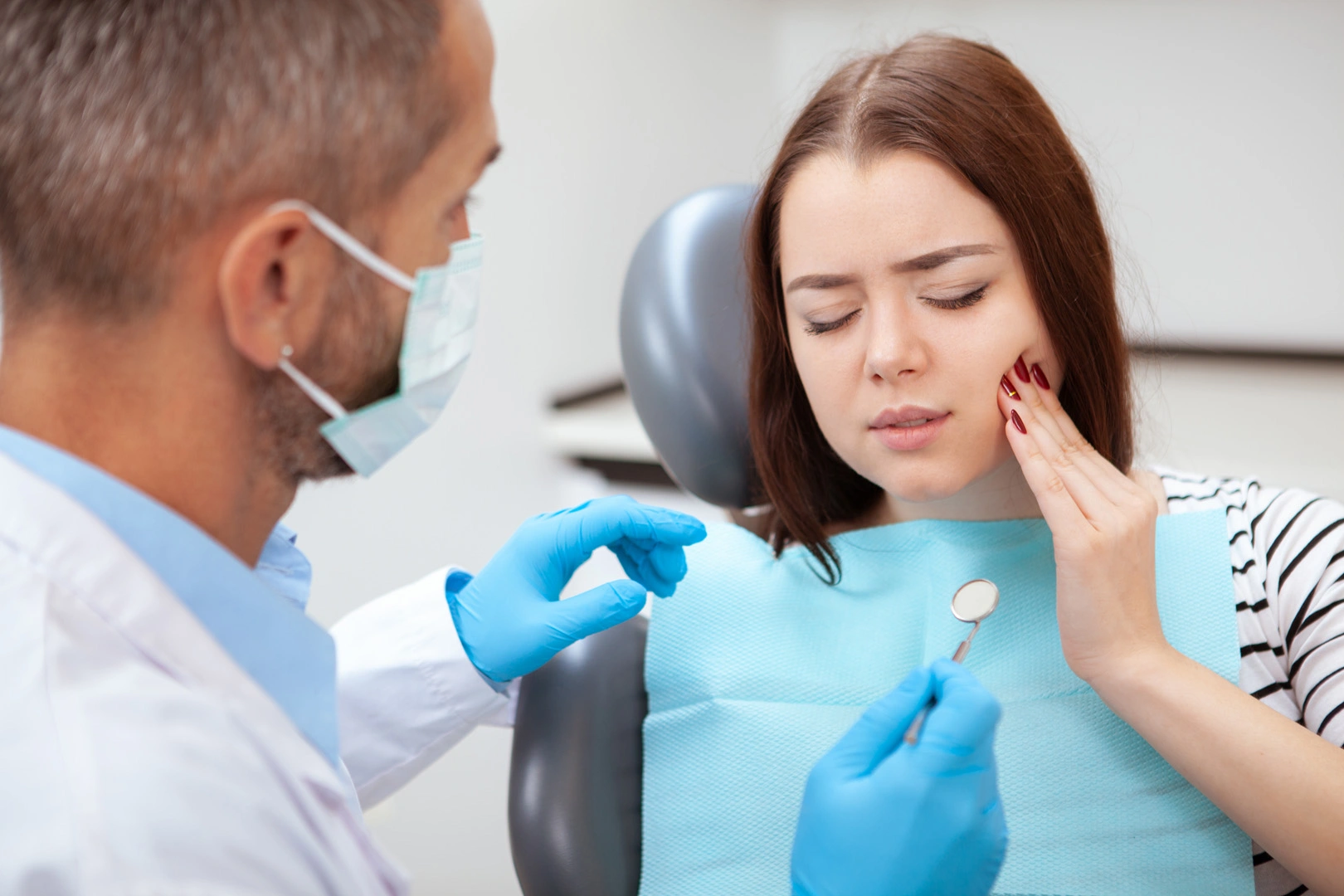

A painful tooth or a swollen gumline does not always stay a local problem. In dental emergencies, infection is often the factor that changes the timeline from inconvenient to urgent. People tend to focus on the visible issue, a broken tooth, a deep cavity, a puffy cheek, but the real clinical concern is what is happening under the surface. Bacteria move through tiny spaces in enamel and dentin, into the pulp, through the root tip, and then into the surrounding bone and soft tissue. Once that process gains momentum, the risk is no longer limited to the tooth itself.
That is especially important in a Dental Emergency Aurora setting, where patients may delay care because they are hoping pain will settle down on its own, or because the problem flared up at night, on a weekend, or before travel. In practice, those delays can matter. Some dental infections remain localized for a time. Others spread faster than people expect, particularly when drainage is blocked and pressure builds inside the tissue.
The good news is that most dental infections respond well when treated promptly and appropriately. The challenge is knowing which symptoms suggest a routine appointment can wait a day and which symptoms signal the need for same-day evaluation.
Why dental infections can escalate quickly
The mouth carries bacteria all the time. That is normal. Trouble begins when bacteria gain access to deeper tissues that should stay sealed off. A large cavity, a cracked tooth, advanced gum disease, or trauma can create that opening. Once the inner pulp becomes inflamed or infected, the body reacts with swelling, fluid buildup, and pain. If the pulp dies, bacteria can continue down the root canal system and out into the bone around the tooth.
This is where many patients get confused. They assume that if pain suddenly decreases, the problem is getting better. Sometimes the opposite is true. When the nerve inside a tooth dies, severe pain may ease temporarily, but the infection can continue to spread beyond the tooth. A person may feel less pain at the very moment the condition is becoming more serious.
Infections also behave differently depending on location. A small abscess near the tip of a root may cause tenderness but stay fairly contained for a while. A gum infection around a wisdom tooth can spread into surrounding soft tissue and make opening the mouth difficult. An infection in an upper tooth may drain into the sinus area, while an infection in a lower molar can track into deeper spaces under the jaw. Anatomy matters, which is why two people with “tooth pain” can have very different levels of risk.
The emergencies that carry the highest infection risk
Not every dental emergency involves infection, but several common situations create the right conditions for it. Deep untreated decay is high on that list. Once the cavity reaches the pulp, bacteria have direct access to the nerve and blood supply within the tooth. A cracked tooth is another classic setup. The crack may be small enough that a patient keeps chewing on it for days, yet large enough for bacteria to seep inside with every meal.
Dental trauma deserves more attention than it usually gets. A tooth that has been hit during sports, a fall, or a car accident may not look dramatic at first. Still, trauma can damage the pulp, reduce blood supply, or create hairline fractures that later become pathways for infection. Years later, a tooth can darken, develop sensitivity, and then present as an abscess.
Partially erupted wisdom teeth are a frequent source of urgent swelling. Food debris and bacteria collect under the gum flap over the tooth, leading to pericoronitis, a painful localized infection. These cases can change quickly. One day it feels like a sore gum. The next day the patient can barely swallow comfortably or open wide enough to eat.
Recent dental work can also be part of the picture. A filling that was close to the nerve, a crown placed on a heavily restored tooth, or a root canal in a tooth with complex anatomy may occasionally be followed by persistent inflammation or infection. Most post-treatment discomfort is not dangerous, but lingering swelling, a bad taste, fever, or increasing rather than decreasing pain deserves a closer look.
Symptoms that suggest the infection is not staying local
Pain alone does not tell the whole story. Some severe infections are surprisingly dull or intermittent, while some intense pain comes from inflammation without major spread. The pattern of symptoms matters more than any single sensation.
A classic red flag is swelling that changes the shape of the face or feels firm and hot to the touch. Another is pain that wakes someone from sleep and does not respond well to over-the-counter medication. Pus drainage, a foul taste, pressure when biting, swollen lymph nodes, and fever all strengthen the suspicion of infection.
The symptoms that raise the most concern are the ones suggesting spread into deeper spaces or systemic involvement:
- swelling that extends into the cheek, jawline, or under the eye
- difficulty swallowing, speaking, or opening the mouth
- fever, chills, or a general ill feeling
- trouble breathing, even if mild
- rapid worsening over several hours
Those symptoms justify urgent evaluation. If breathing or swallowing is affected, the situation can cross from dental urgency into a medical emergency.
Why antibiotics are not always the whole answer
One of the most common misunderstandings in emergency dentistry is the idea that antibiotics alone fix a tooth infection. They often help control bacterial spread, especially if there is swelling, fever, or diffuse soft tissue involvement. But if the source remains sealed inside a dead or infected tooth, the problem usually returns. The infected tissue has to be drained, removed, or isolated.
That may mean opening the tooth for root canal treatment, extracting it, draining an abscess, or cleaning the infected gum area thoroughly. Without source control, antibiotics can become a temporary patch. Patients sometimes feel better for a week, stop worrying, and then face a more painful recurrence later.
There is also a practical issue with resistance and overuse. Not every painful tooth needs an antibiotic. A fractured tooth with exposed dentin may hurt badly without infection. A localized pulpitis may require urgent treatment but not antibiotics. Prescribing them indiscriminately is poor care. In a proper Dental Emergency Aurora visit, the provider should distinguish between inflammation that needs dental treatment and an actual bacterial infection that warrants medication.
How a dentist judges the level of danger
Most people expect the examination to focus on the painful tooth, but a careful emergency assessment is broader than that. The dentist will look at facial symmetry, mouth opening, gum swelling, drainage, and tenderness along the roots and jaw. They will ask when symptoms started, whether they are getting better or worse, and whether there are systemic signs like fever or fatigue.
X-rays help, although they do not tell the whole story. A tooth can have severe pulp inflammation before major changes show on an image. Conversely, a long-standing dark area around the root may not reflect an acute crisis if symptoms are mild and stable. Clinical judgment matters. A dentist is piecing together what is seen, what is felt, and what the patient reports.
Medical history changes the risk profile too. A healthy young adult with a localized abscess and no fever is one kind of case. An older patient with diabetes, immune suppression, recent chemotherapy, or a history of head and neck radiation is another. For those patients, even a smaller dental infection can behave unpredictably and deserves faster intervention.
A common pattern that catches patients off guard
A scenario seen often in emergency practice goes like this: someone has a cavity or a broken filling for months. It occasionally hurts with sweets or cold drinks, then settles down. One weekend the pain becomes intense and throbbing. They take ibuprofen, use clove oil, maybe rinse with salt water, and the pain fades two days later. They assume the crisis passed.
What actually happened in many of these cases is that the pulp died. Then, several days later, swelling appears near the gumline, or the face becomes puffy, or the tooth feels high when biting. The pain changed because the biology changed. By that point, the problem has moved from inflamed pulp to established infection near the root.
That pattern matters because it explains why “waiting to see if it calms down” can be misleading. Pain can come and go. Infection often does not resolve simply because symptoms fluctuate.
The role of drainage, and why pressure relief matters
Dental infections often hurt because fluid and inflammatory material build up in a confined space. The pulp chamber inside a tooth has no room to swell. Pressure rises, nerves are compressed, and the pain can become severe and rhythmic. Once infection exits the root and collects in surrounding tissue, that same pressure can create a visible abscess.
When a dentist relieves that pressure, either through the tooth or through soft tissue drainage, patients are often surprised by how quickly they feel better. That is not cosmetic treatment. It is one of the most important ways to reduce bacterial load and restore control over the infection. A prescription cannot always achieve the same result on its own because antibiotics circulate through the bloodstream, and poorly drained areas may have limited access to that blood supply.
Drainage is also why a pimple-like bump on the gum should not be ignored. If a small fistula is draining, pain may actually be less dramatic because pressure is escaping. The absence of severe pain in that setting does not mean the tooth is healthy. It often means there is a chronic infection with an outlet.
Home care has limits
Reasonable home measures can help a person get through the hours before an emergency appointment. Warm salt-water rinses can soothe tissue. Over-the-counter pain medication, taken as directed and if medically appropriate, may reduce discomfort. Eating on the opposite side and avoiding very hot, cold, or sugary foods can prevent symptom spikes.
Still, some home habits create more trouble than relief. Placing aspirin directly on the gum can burn the tissue. Holding alcohol in the mouth irritates inflamed areas. Using leftover antibiotics from a previous illness is risky and often ineffective. Pressing on a swollen area or trying to lance it at home Dental Emergency Aurora can worsen the spread.
The more sensible short-term approach is simple:
- keep the area as clean as comfort allows
- use cold compresses on the face if swelling is present
- take medication only as directed on the label or by a clinician
- seek same-day care if swelling is increasing
- go to urgent medical care immediately if breathing or swallowing changes
Those steps buy time. They do not replace diagnosis and treatment.
When the infection risk is higher than average
Some patients need to act faster because their bodies have less reserve. Diabetes, especially when blood sugar is poorly controlled, can weaken the response to infection and slow healing. People taking steroids, biologic medications, or chemotherapy may not localize infection as effectively. Smokers often have more severe gum disease and reduced tissue healing. Pregnancy does not automatically make a dental infection more dangerous, but it does narrow the margin for letting pain, dehydration, or fever drag on.
There are also local risk factors. A lower molar with infection in a person who has limited mouth opening is more concerning than a small draining abscess on the front gum. A patient who has had repeated swelling in the same area likely has a persistent source that needs definitive care, not another round of temporary relief. Someone with a history of heart valve issues or certain joint replacements may need coordinated medical guidance in specific situations, though routine assumptions should never replace individualized judgment.
In practical terms, risk is not only about how bad the tooth looks. It is about host factors, anatomy, symptom speed, and whether the source can be controlled promptly.
What treatment may look like in a Dental Emergency Aurora visit
Emergency treatment is not one-size-fits-all. If the tooth can be saved and the infection source is within the root canal system, opening the tooth and beginning root canal therapy may be the best move. If the tooth is badly cracked below the gumline or structurally nonrestorable, extraction may be the safer and more predictable option. If gum infection is the issue, the focus may be irrigation, cleaning, and local management rather than treatment inside the tooth.
Sometimes the first visit is about stabilization rather than final treatment. For example, severe swelling may need drainage and medication before a longer procedure can be completed safely. A patient with limited numbness because of intense inflammation may need a staged approach. That does not mean care is incomplete. It means the treatment sequence is being adjusted to match the biology of the case.
Patients often appreciate knowing why the dentist is recommending a particular route. Saving a tooth is valuable, but not at any cost. If the chance of long-term success is poor, repeated temporary fixes can mean more pain, more time off work, and higher cumulative expense. A direct, evidence-based discussion is part of good emergency care.
How long is too long to wait?
There is no universal clock, but there are useful patterns. A mild toothache from cold sensitivity that lasts a day is very different from pain that is spontaneous, throbbing, and paired with swelling. If someone has facial swelling, fever, or a bad Dental Emergency Aurora taste from drainage, waiting several days is not wise. If they are having trouble opening their mouth, swallowing, or sleeping because of the pain, same-day contact with a dental office is the right move.
For people who live busy lives, the temptation is to push through until there is a more convenient opening in the schedule. That is often the wrong gamble. Dental infections rarely resolve because life is hectic. They move according to bacterial growth, drainage pathways, and the body’s immune response, none of which pause for work meetings or family commitments.
Prevention after the emergency passes
The best way to lower future infection risk is not glamorous. It is maintenance. Cavities caught early do not usually become abscesses. Loose crowns re-cemented promptly are less likely to leak bacteria. Cracked teeth protected with timely restorations are less likely to split further. Regular hygiene care lowers the burden of gum infection and helps identify areas that are deteriorating quietly.
After an emergency, follow-through matters just as much as the urgent visit. If a dentist places a temporary filling, recommends root canal treatment, or advises extraction after swelling subsides, that next step should not be postponed indefinitely. Temporary calm is not permanent resolution. Many repeat emergencies happen because the pain stopped and the patient assumed the story was over.
What matters most is respecting the difference between discomfort and infection. A sore tooth is a problem. A spreading dental infection is a time-sensitive medical issue that happens to begin in the mouth. In a Dental Emergency Aurora case, recognizing that distinction early can preserve the tooth, protect surrounding tissue, and prevent a much larger health problem from taking hold.
Aspenwood Dental Associates and Colorado Dental Implant Center
2900 S Peoria St Ste C, Aurora, CO 80014, United States
+1 303-731-4037
FAQ About Dental Emergency Aurora
What qualifies as a dental emergency?
A dental emergency is any oral injury or condition that involves severe pain, uncontrolled bleeding, or a potential infection that puts a tooth or your overall health at risk.
Can the ER do anything for a tooth?
AI Overview An emergency room (ER) cannot fix or pull a tooth, perform root canals, or provide long-term dental care, because most ERs do not have dentists on staff.
What is the 3-3-3 rule for tooth infection?
The 3-3-3 rule for a tooth infection or severe toothache is a short-term over-the-counter pain management strategy. It involves taking 600 mg of ibuprofen (typically three 200 mg tablets) 3 times a day for no more than 3 days.